Located in the heart of Anatolia, Tokat is a city where history, nature, and culture come together in a remarkably rich setting. With a heritage shaped by civilizations ranging from the Hittites to the Ottomans, Tokat offers a layered urban memory expressed through mosques, inns, castles, museums, artisan streets, and historic neighborhoods.
For visitors seeking a nature-oriented experience, destinations such as Ballica Cave, Kaz Lake, Zinav Lake, and the surrounding plateaus provide memorable landscapes. For food lovers, Tokat kebab, bat, keskek, madimak, stuffed vine leaves, cokelek-based pastries, and Zile molasses introduce the city through its local flavors.
During the symposium, participants are invited not only to engage in scientific exchange but also to discover Tokat's historical character, experience its cultural heritage, and enjoy the hospitality of its people.
A Brief History of Tokat
Tokat is one of the ancient cities of Anatolia and has served as an important settlement for thousands of years. Because of its strategic position between the Black Sea region and Central Anatolia, it became a major trade and transition point throughout history.
The known history of Tokat dates back to around 4000 BCE. The region was an important settlement during the Hittite era and later came under the influence of the Phrygians, Persians, Macedonians, Romans, and Byzantines. Following the Battle of Manzikert, Tokat was conquered by the Danishmends and became one of the early political centers of Turkish rule in Anatolia.
During the Seljuk and Ottoman periods, Tokat maintained its scholarly, cultural, and economic importance. Madrasas, inns, baths, and mosques shaped the city's classical Turkish-Islamic urban identity. Today, Tokat remains a destination distinguished by preserved monuments, layered cultural memory, and strong local traditions.
Must-See Places
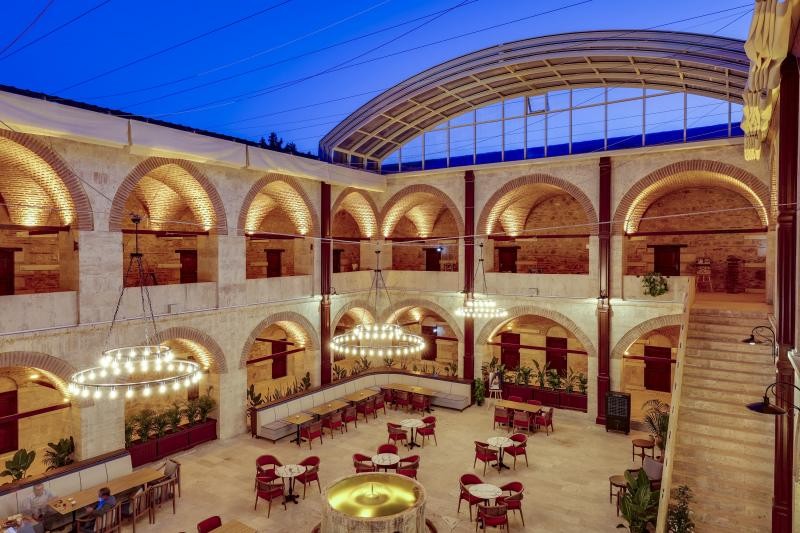
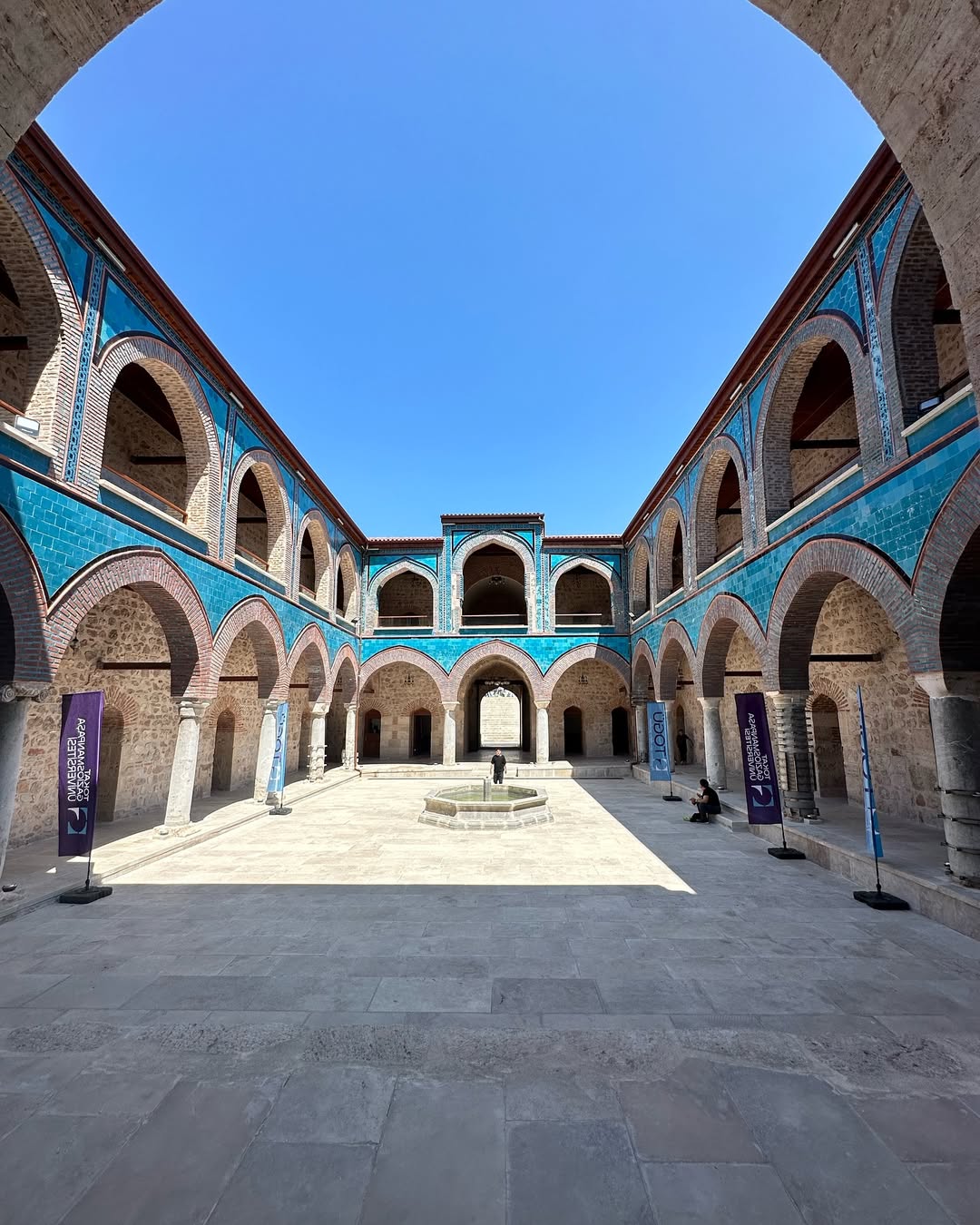
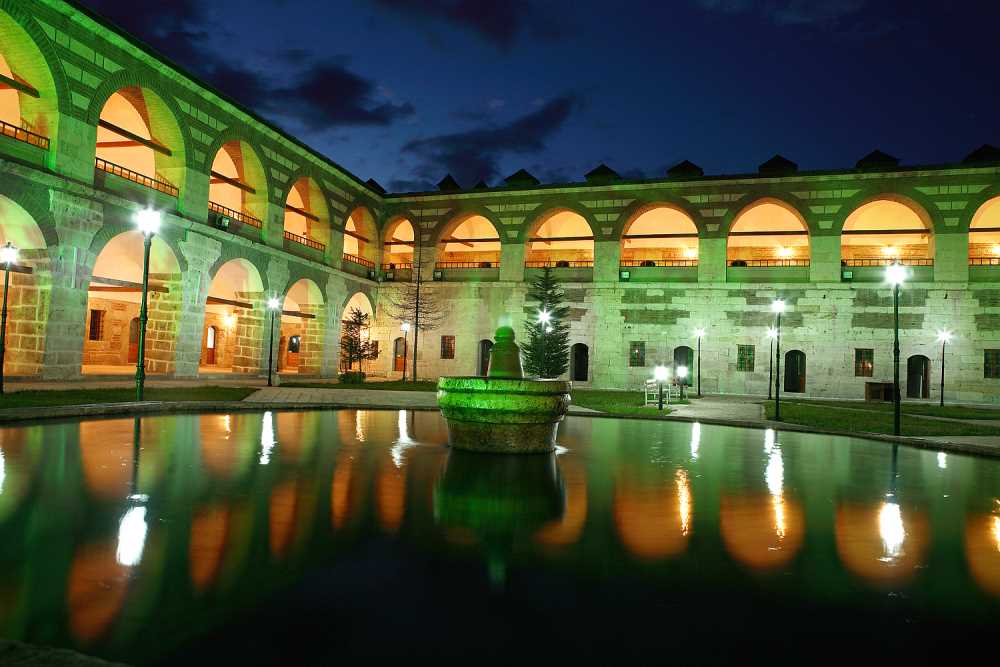
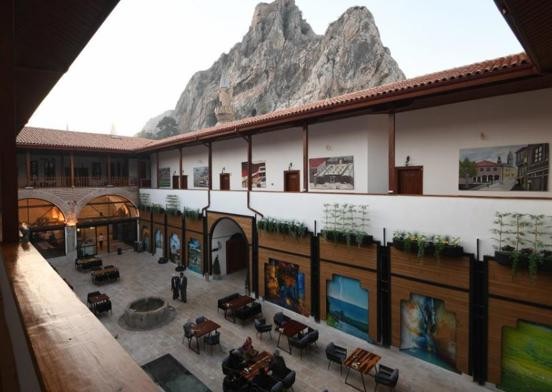
Silk Road MuseumKnown today as the Silk Road Museum, this restored historic han in the Sulusokak area reflects Tokat's long-standing commercial heritage. Its courtyard-centered plan and preserved architectural character make it an important cultural stop for visitors exploring the city's Ottoman urban fabric.
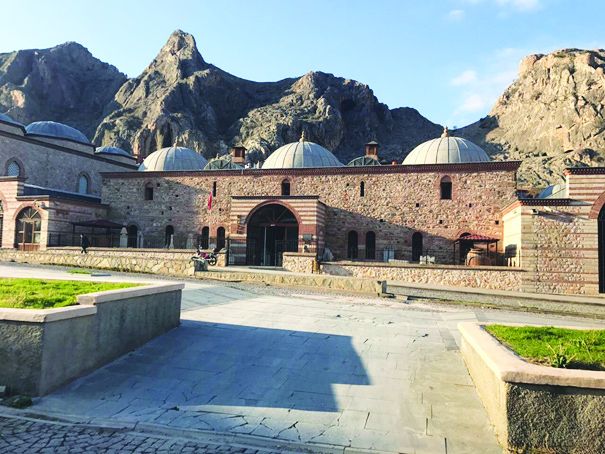
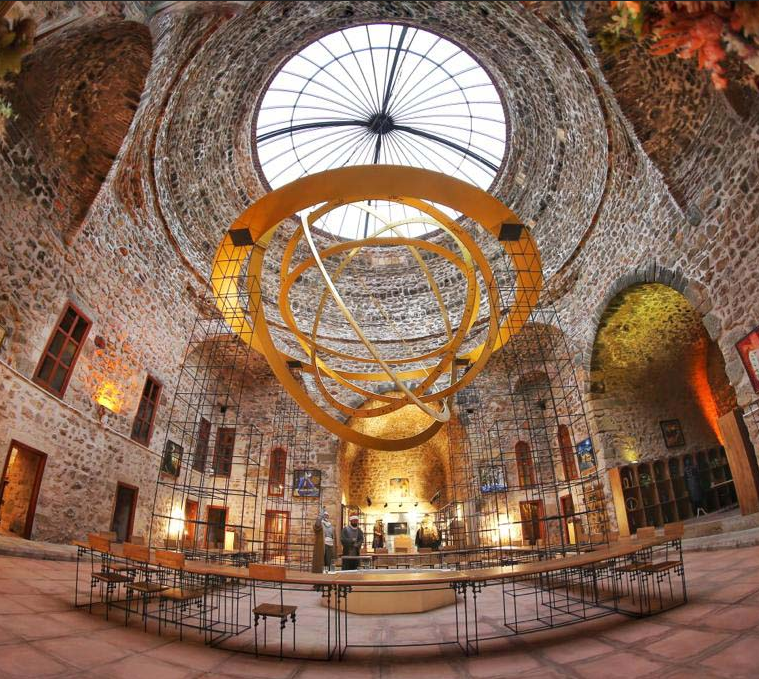
Arastali Bedesten and MuseumArastali Bedesten is one of Tokat's important Ottoman commercial monuments. With its domed structure, covered-market character, and later museum function, it represents both the city's trading tradition and its commitment to preserving historical heritage.
Gokmedrese (Pervane Madrasa)Built in 1277, Gokmedrese is one of the outstanding examples of Anatolian Seljuk architecture. Its carved stone portal, tile ornamentation, and open-courtyard plan make it one of Tokat's most significant monumental buildings.
Yagibasan MadrasaConstructed between 1148 and 1157 by the Danishmend ruler Nizamettin Yagibasan, this is one of the earliest madrasas in Anatolia. Its architectural simplicity and early educational function make it an important landmark in the history of science and learning in the region.
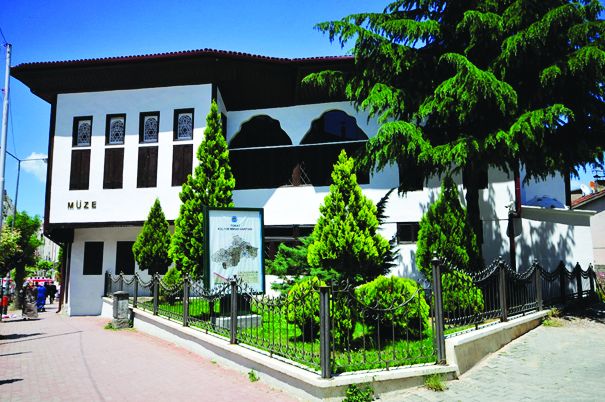
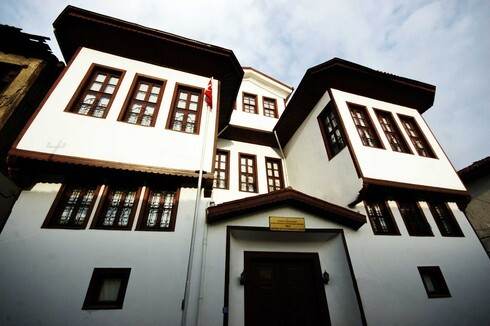
Latifoglu MansionThis 18th-century Ottoman urban mansion is a fine example of traditional domestic architecture in Tokat. Its original room layout, painted decoration, bath section, and courtyard offer insight into local elite life in the Ottoman period.
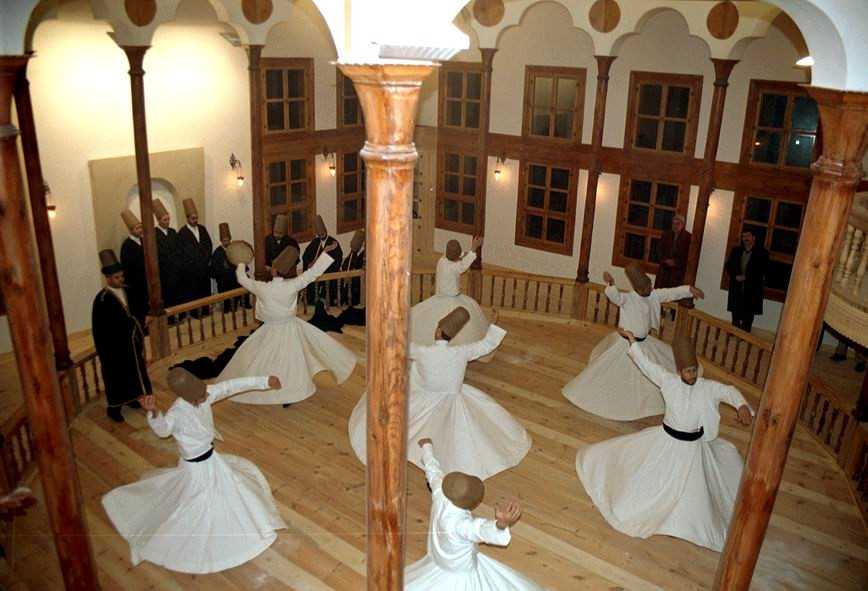
Tokat MevlevihaneFirst built in the 17th century and renewed in the 19th century, Tokat Mevlevihane reflects the city's Sufi and artistic heritage. It is notable for its wooden architecture, ceremonial hall, and baroque decorative details.
TashanTashan is a classical two-storey Ottoman caravanserai located in the city center. With its stone architecture, courtyard layout, and historical commercial identity, it remains one of Tokat's most recognizable urban heritage structures.
Yazmacilar BazaarLocated near Tashan, Yazmacilar Bazaar keeps Tokat's traditional woodblock textile-printing culture alive. Visitors can observe locally produced patterned fabrics and explore one of the city's best-known craft traditions.
Ataturk House and Ethnography MuseumThis historic mansion hosted Mustafa Kemal Ataturk and Latife Hanim during one of their visits to Tokat. Today it carries both political memory and ethnographic value for visitors interested in the Republican era.
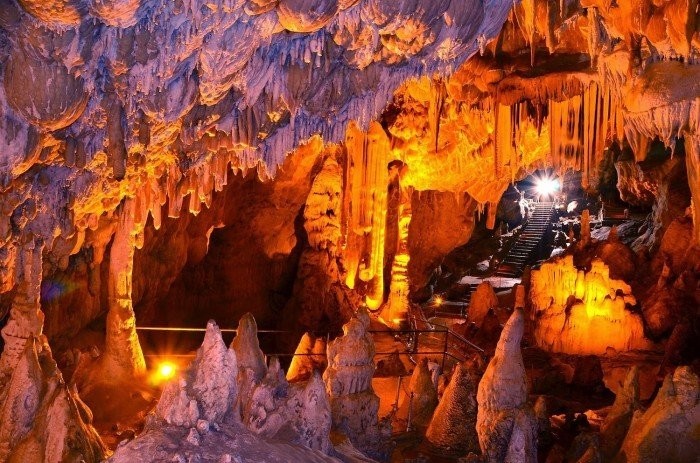
Ballica CaveLocated in the district of Pazar, Ballica Cave is one of the most remarkable natural formations in Turkiye, with a geological history of approximately 3.4 million years. Its halls, giant mushroom-like formations, and multilayered underground structure make it one of the region's most impressive natural attractions. The Nature Park of Ballica Cave was submitted by Turkiye to the UNESCO World Heritage Tentative List on April 12, 2019, under natural criteria.
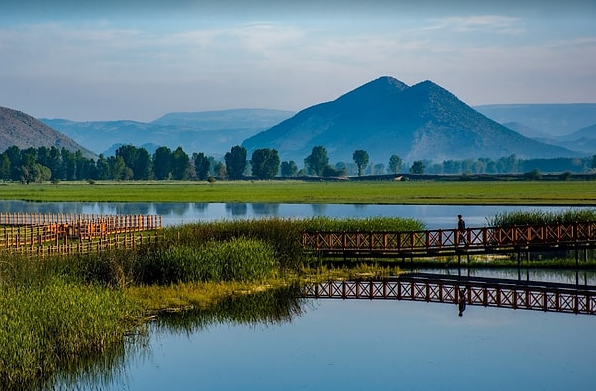
Kaz Lake Nature ParkKaz Lake is one of Tokat's important wetland ecosystems. Especially during migration seasons, it hosts a variety of bird species and offers a calm environment for nature observation, photography, and ecotourism.
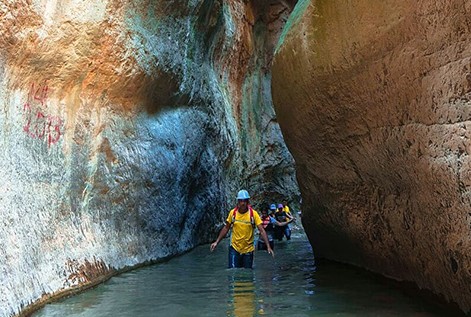
Zinav Lake and CanyonZinav Lake and Canyon offer one of the most peaceful nature experiences in Tokat Province. Surrounded by forested slopes and rich vegetation, the area stands out with its scenic lake views, canyon landscape, and calm atmosphere for walking, photography, and outdoor relaxation.
What to Eat in Tokat
Tokat cuisine reflects centuries of cultural exchange and local agricultural abundance. It blends the productive traditions of Central Anatolia with the fertile landscapes of the Black Sea transition zone.
Tokat KebabThe city's signature dish, prepared by roasting meat, vegetables, eggplant, tomatoes, peppers, and tail fat together over a wood fire. It is traditionally served with thin slices of Tokat bread.
BatA refreshing local dish made with lentils, fine bulgur, walnuts, and spices. It is generally served cold and is a particularly enjoyable option for vegetarian participants.
Zile MolassesA famous local specialty produced through a long-established method that gives it a light color and soft texture. It is often enjoyed as a dessert or energy-rich accompaniment.
Keskek and MadimakKeskek, often enriched with walnuts, is a festive dish rooted in ceremonial cooking traditions. Madimak, a wild edible herb gathered in spring, is another distinctive local flavor prepared with onions or eggs.
More Local TastesOther notable flavors include Tokat tava, bakla dolma, etli dolma, pehlili pilaf, chickpea stew, toyga soup, tarhana, local pastries, Tokat simit, walnut desserts, rosehip preserves, and fruit-based products such as apple, sour cherry, and cornelian cherry specialties.
Culture and Handicrafts
Tokat is one of the rare Anatolian cities where traditional cultural life remains visible in daily practice. Its music, architecture, urban craftsmanship, and folk traditions form an integrated cultural landscape rather than isolated museum pieces.
For centuries, Tokat was situated at the intersection of major east-west and north-south trade routes. This helped create a remarkably diverse craft culture. Although some trades have disappeared over time, many traditional skills continue to survive in the city and surrounding districts.
Tokat YazmasiWoodblock textile printing is one of Tokat's best-known cultural symbols. Produced with carved wooden blocks and natural dyes, Tokat yazmasi was included in the UNESCO National Inventory of Intangible Cultural Heritage in 2021.
Wood Carving and Copper CraftTraditional woodwork appears in decorative objects, religious furnishings, and everyday items, while copper craftsmanship continues to produce handmade trays, cauldrons, and ornamental pieces.
Folk Music and Minstrel TraditionTokat is an important center of Turkish folk music. Long-air melodies, local wedding tunes, and the living asik tradition remain part of the region's oral and musical heritage.
Traditional Urban FabricAreas such as Sulu Sokak, Behzat district, and historic mansion quarters display the continuity of Ottoman civil architecture and the close relationship between daily life, commerce, and craftsmanship.
Images on this page are shown from Wikimedia Commons sources related to Tokat landmarks.
If You Have Extra Time
Zile Castle and Amphitheatre RemainsAn enjoyable excursion for visitors interested in archaeological traces and elevated city views.
Niksar and the Great MosqueA historically important district once associated with the Danishmends and still rich in architectural heritage.
Sulusaray (Sebastopolis) Ancient CityA rewarding site for participants interested in Roman-period remains and the broader archaeological landscape of Tokat province.
Resadiye Thermal Springs and HighlandsA good option for visitors wishing to combine natural scenery, thermal resources, and a slower pace after the symposium.
👋 Welcome to ICITS 2026!
I’m the ICITS Virtual Assistant. You can ask me about full paper uploads, downloading certificates, the special issue call, or the symposium programme.
How can I help you today? You can ask your questions in Turkish or English.